Independent by design.Project logistics without an asset to keep full.

Case studies

Five decisions clarified before commitment.

Anonymised examples of planning, qualification, screening and modelling. They state what AU Logistics identified, screened, specified, compared or clarified—and where physical, regulated or specialist responsibility remains.

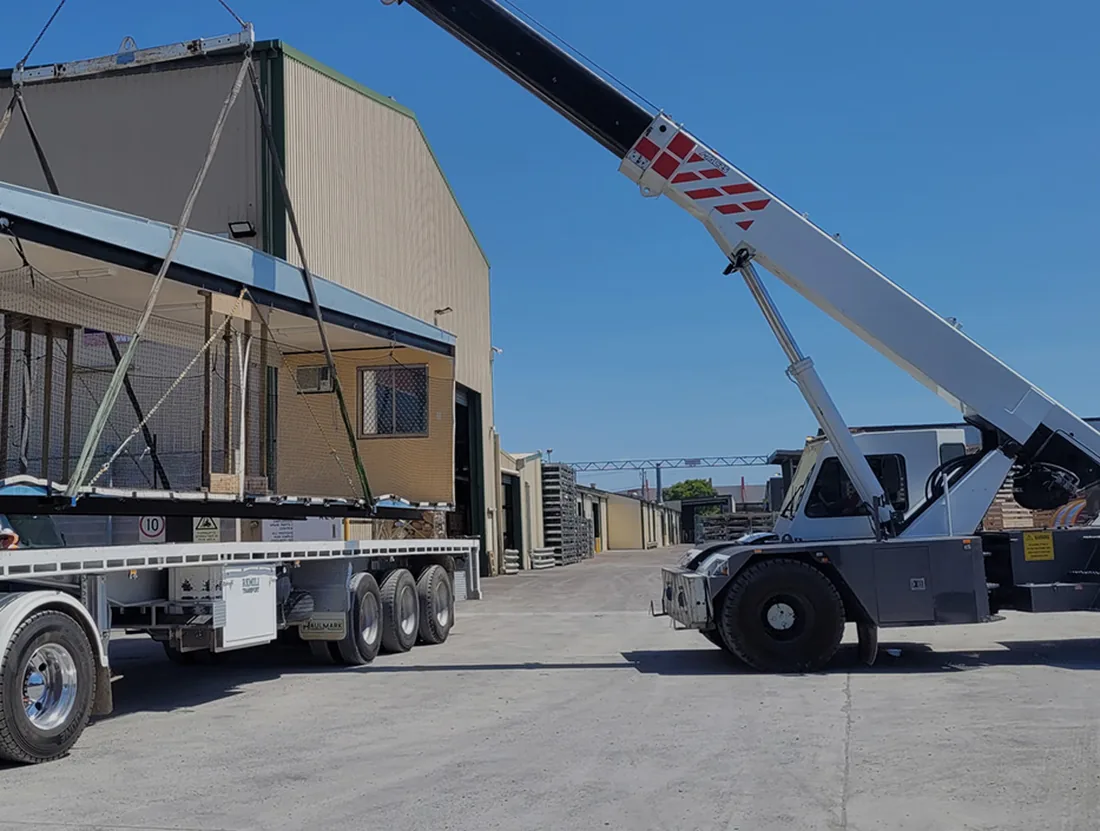
High-cube container movement under route and site planning
01Project supply-chain planning

Anonymised planning assessment — not executed transport

Could standard containers move before a transport promise was made?

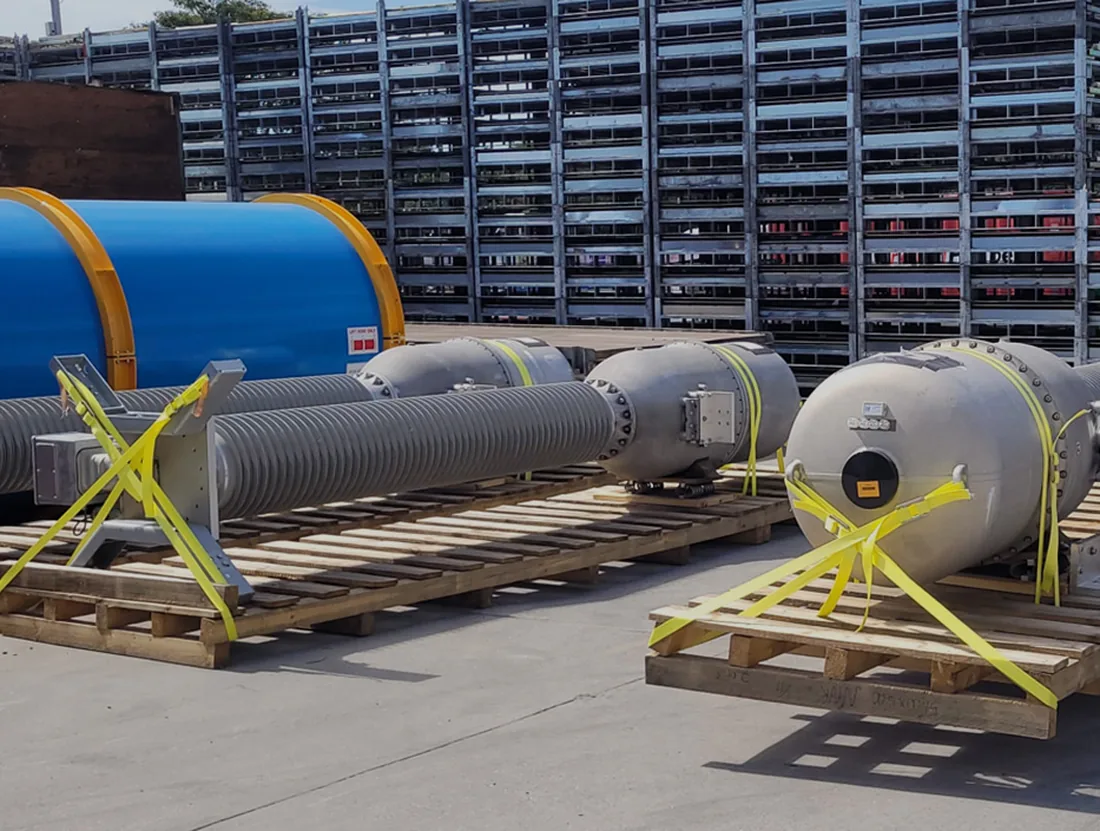
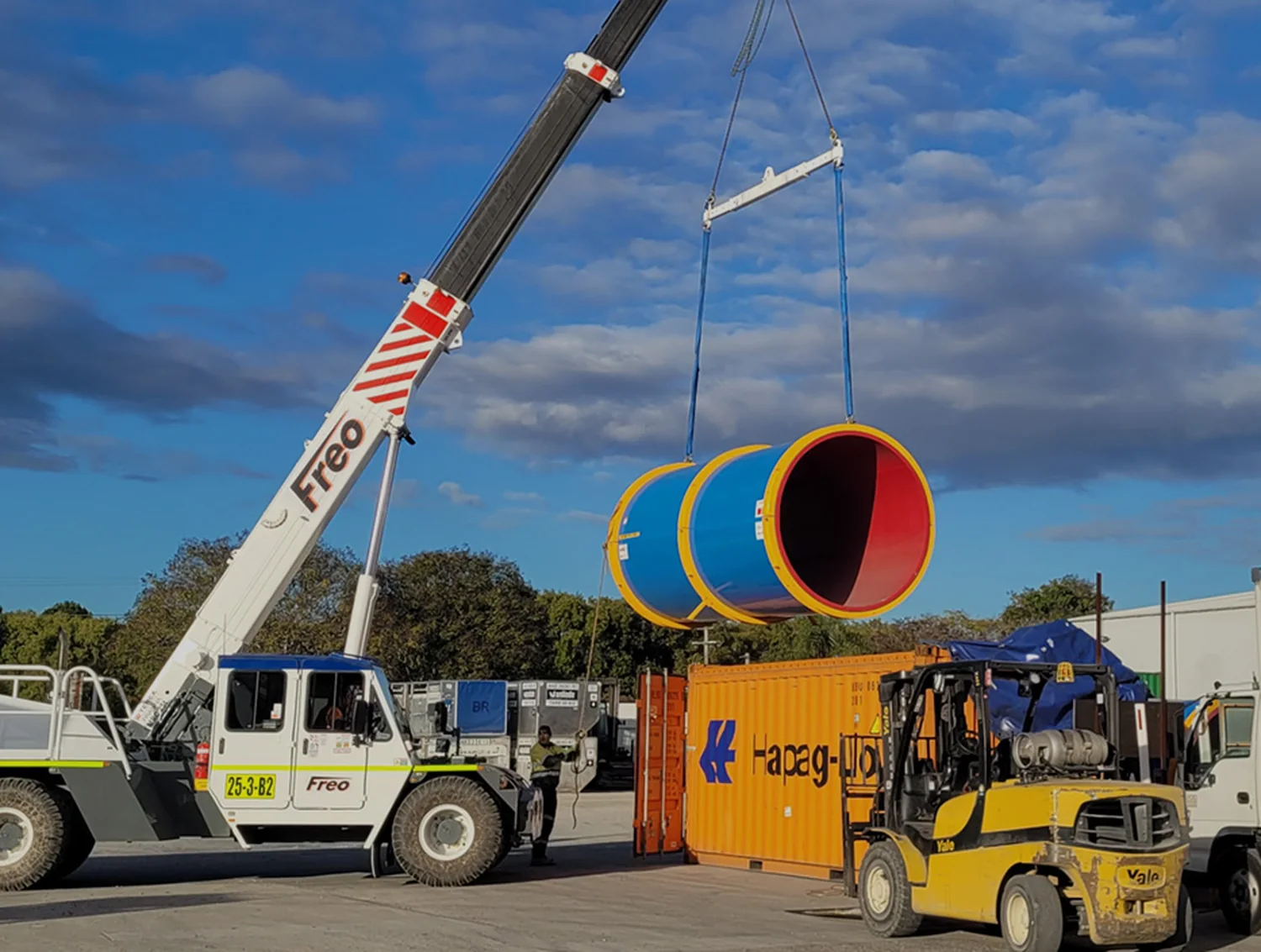
A project required a decision-ready planning position for 40-foot high-cube containers across two roughly 200 km port-to-site corridors. A reported 4.5 m clearance constraint, unknown loaded heights and gross weights, machinery condition and final-site access prevented final clearance.

Defensible valueRoute, vehicle, cargo and site gates were identified before transport commitment.

The decision at risk

A general route indication could be mistaken for final clearance even though bridge details, loaded configuration, weights, site receiving capacity and machinery conditions remained unverified.

Specific AU Logistics work

  • Specified the 40-foot high-cube container planning basis
  • Compared two roughly 200 km port-to-site corridors
  • Identified the reported 4.5 m constraint plus loaded-height and gross-weight gates
  • Specified one container per truck as the planning basis
  • Identified machinery battery, fuel and biosecurity checks
  • Identified final-site access and receiving evidence still required

Responsibility boundary

Decision-ready planning only—not executed transport or final route clearance. Final route, vehicle configuration, permits, loaded height, gross weight and site access require transport-operator verification.

Durable outputsCorridor screenVehicle and cargo gatesSite-access questionsOperator-verification brief
Provider-neutral transport responsibility planning
02Supplier qualification

Qualification redesign — no award or acceptance claim

Should an advisory supplier accept physical logistics liability?

A supplier qualification process combined advisory and software coordination with freight, customs, cartage, warehousing, cargo custody, insurance and regulated-service obligations. The supplier identity and responsibility model required correction before submission.

Defensible valueThe responsibility split prevented premature commitment to an unsuitable physical-principal role.

The decision at risk

Submitting an unqualified form could imply that AU Logistics would hold cargo, perform regulated services or assume operating liabilities that belong with licensed and insured physical providers.

Specific AU Logistics work

  • Compared the qualification fields with the proposed operating role
  • Identified custody, insurance, licensing and regulated-service mismatches
  • Specified direct physical-provider contracts plus a separate advisory/software scope
  • Clarified the responsibility matrix, disclosure gates and decline position

Responsibility boundary

AU Logistics is not the carrier, freight forwarder acting as principal, warehouse operator, bailee, fleet operator or cargo custodian. Physical services, cargo insurance and regulated obligations remain with appropriately licensed and insured providers. No qualification acceptance, tender win or award is claimed.

Durable outputsQualification gap reviewResponsibility matrixProvider-neutral contract modelDisclosure gate list
Industrial facility operational-fit screening
03Facility operational fit

Anonymised advisory screen — not a warehouse operation

Which facility options deserved diligence before property commitment?

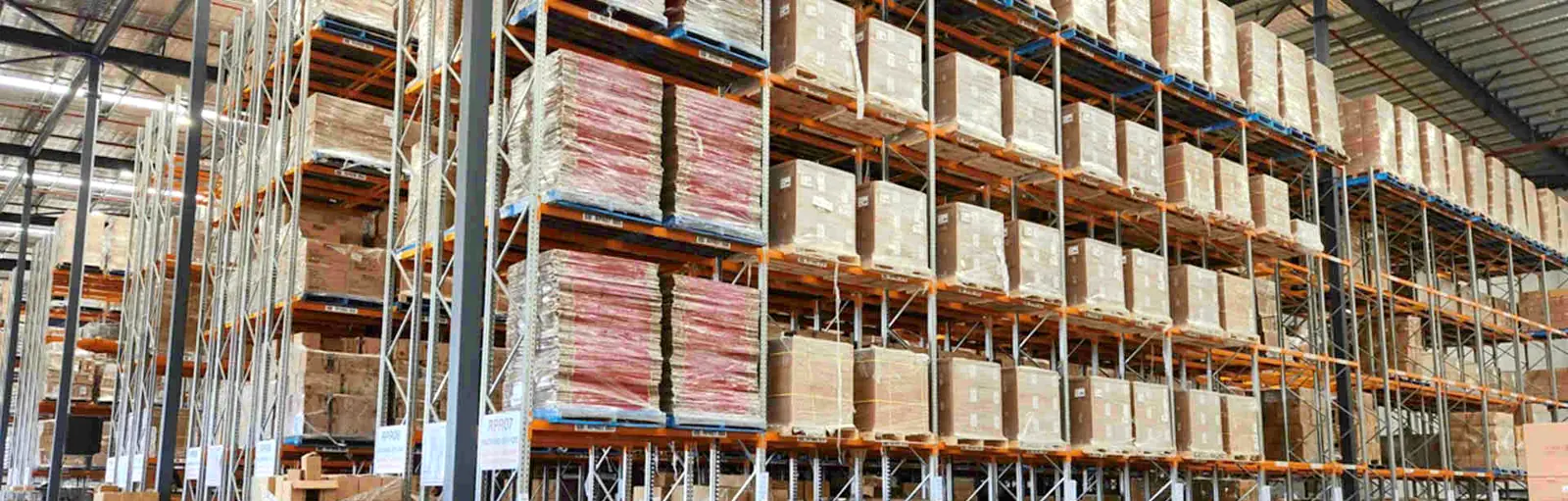
An approximately 4,000 sqm requirement class needed near-port access and credible B-double and container handling. Area alone could not establish operational fit, full occupancy exposure or readiness for the intended workflow.

Defensible valueOperational and commercial gates prevented premature property commitment and clarified shortlist versus rejection logic.

The decision at risk

A well-located building could still fail on truck circulation, container handling, racking, power, sprinklers, environmental controls, possession timing or immediate capex.

Specific AU Logistics work

  • Screened the approximately 4,000 sqm requirement class and near-port access
  • Compared B-double access, container handling and full occupancy cost
  • Compared racking, power and sprinkler evidence
  • Identified environmental, possession and capex diligence gates
  • Specified shortlist, backup and rejection logic

Responsibility boundary

Advisory property and operational-fit screening only. AU Logistics did not operate a warehouse, take possession, provide property valuation or commit the occupier to a lease, purchase or fitout.

Durable outputsRequirement briefOperational-fit comparisonDiligence gate listShortlist and rejection record
Regulated products under dangerous-goods and landed-cost assessment
04Dangerous goods + landed cost

Anonymised capability example — no measured outcome claimed

Could the lane work once regulated-goods and fulfilment responsibilities were separated?

A regulated product lane required a comparison of international freight, provider minimums, dangerous-goods capability and unit-fulfilment assumptions. The visible freight rate alone could not establish delivered cost or compliance readiness.

Defensible valueThe dominant assumptions were identified and compared before a route, provider or fulfilment model was fixed.

The decision at risk

Bundling pallet movement, order fulfilment and regulated-goods responsibilities into one figure could hide minimum charges, capability gaps and documentation ownership.

Specific AU Logistics work

  • Screened provider capability for the regulated-goods requirement
  • Compared rate schedules, minimums, exclusions and unit definitions
  • Compared pallet movement with per-order fulfilment assumptions
  • Clarified documentation ownership and unresolved checks

Responsibility boundary

Classification, packing, carrier acceptance, customs work and required declarations remain with the properly trained and authorised parties. AU Logistics provided decision support and claims no saving, implementation or measured operational outcome.

Durable outputsCapability matrixEvidence-linked cost modelFulfilment comparisonAuthorised-party checklist
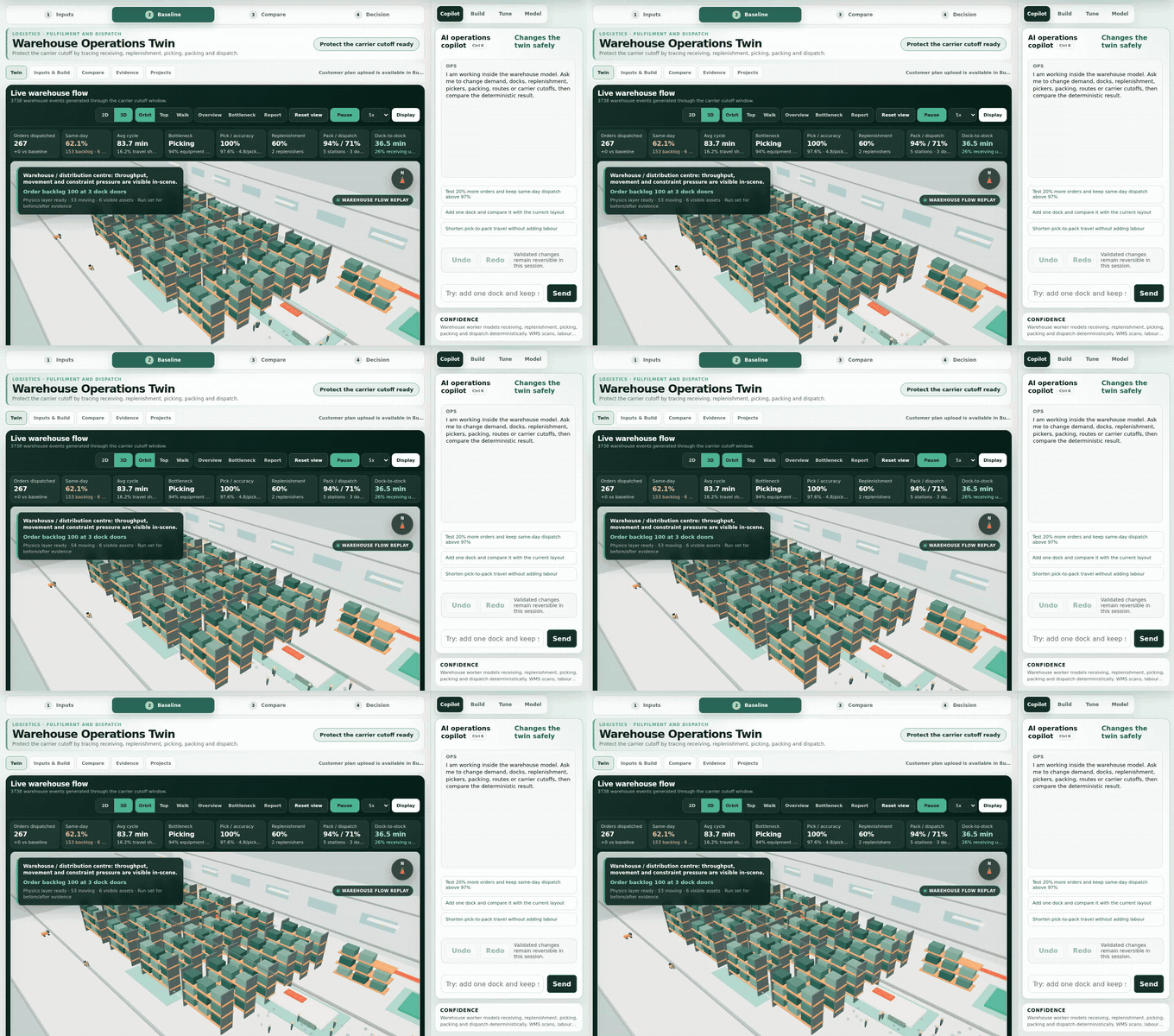
AU Logistics digital-twin demonstrator comparing baseline and alternative flows
05Digital-twin demonstrator

Demonstrator — not a client implementation

Which scenario assumptions required evidence before a layout decision?

A demonstrator compared receiving, storage and dispatch scenarios under uneven arrivals and finite handling resources. It showed how assumptions can be made visible without presenting model output as a verified client result.

Defensible valueBaseline and alternative scenarios were compared while uncertainty and evidence gaps remained visible.

The decision at risk

A static layout or average-throughput figure could be mistaken for operational proof even though arrival patterns, resource availability, safety constraints and site conditions were assumptions.

Specific AU Logistics work

  • Specified baseline inputs and named assumptions
  • Compared layout, flow, queues, timing and resource alternatives
  • Identified bottlenecks and evidence gaps in the demonstrator
  • Clarified which outputs required site and specialist verification

Responsibility boundary

Demonstrator and decision support only—not a client implementation. Engineering, safety, legal, regulatory and site-operability conclusions require the relevant specialist and authorised-party verification.

Durable outputsBaseline scenarioOption comparisonAssumption registerSpecialist-verification list
Explore the operations twin

What the work leaves behind

A decision file, not a sales deck.

The useful output is a customer-owned record that can be checked, issued to market, negotiated, handed to operators and updated when facts change.

01

Specification

The required operational result, interfaces, responsibilities and acceptance evidence.

02

Evidence

Rates, documents, sources, dates, capability checks and unresolved questions.

03

Comparison

Options normalised to the same outcome, with assumptions and exclusions visible.

04

Control

Milestones, owners, exceptions and close-out evidence for the live movement.

Examples are anonymised and scoped to protect customer confidentiality. They illustrate our method and outputs; results depend on the cargo, evidence, market, site and provider conditions for each engagement.

Start before the expensive decisions are fixed

Tell us what you are trying to move—or decide.

We will tell you plainly whether we can help, what evidence is missing and the next sensible step. We do not need to sell you freight.

EmailDiscuss a project